
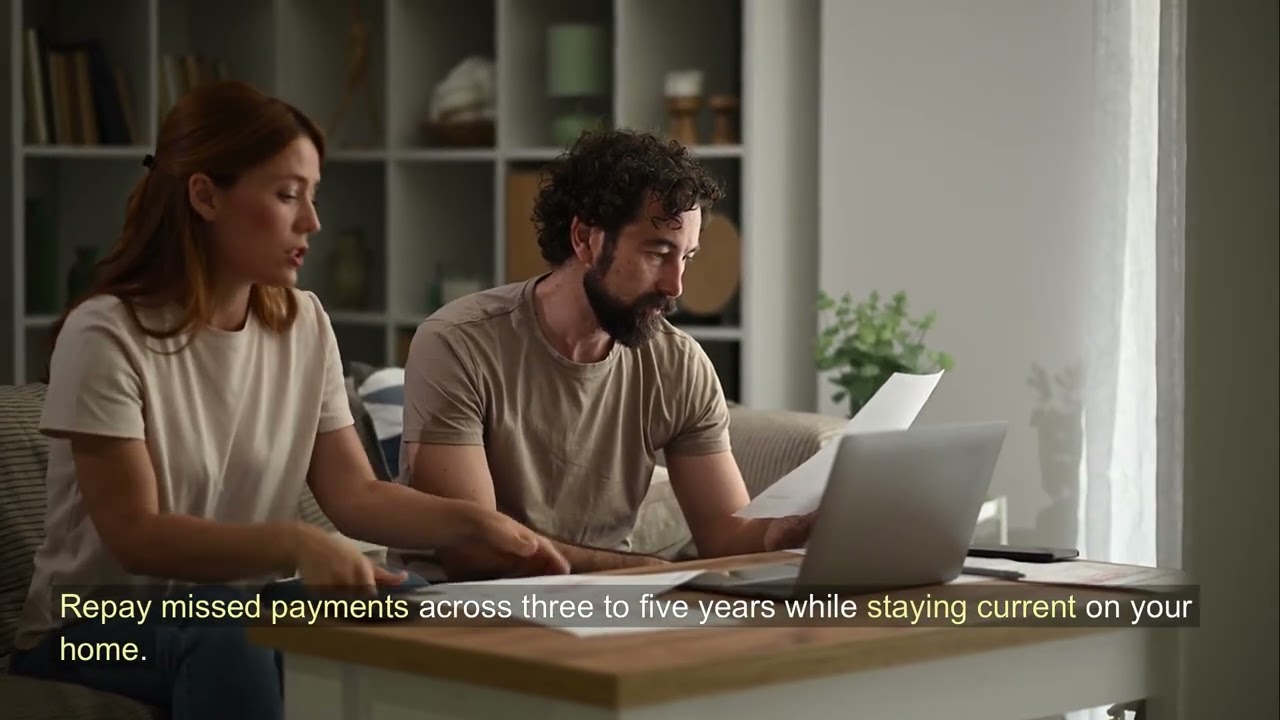
Chapter 13 bankruptcy is a court-supervised repayment plan that lets homeowners catch up on missed mortgage payments over three to five years while keeping their house. Once you file, an automatic stay stops your lender from moving forward with a sheriff’s sale, which means the clock stops the moment your paperwork lands with the court.
This guide focuses specifically on Minneapolis homeowners facing mortgage default who want to know whether Chapter 13 bankruptcy can stop a pending or threatened foreclosure.
Chapter 13 Bankruptcy Definition: Chapter 13 bankruptcy is a form of debt reorganization under federal law that allows individuals with regular income to repay overdue debts, including mortgage arrears, through a structured plan approved by a bankruptcy judge.
If you’ve gotten a letter from your loan servicer with the words “notice of default” on it, your stomach probably dropped. You’re not alone. Minneapolis homeowners across Hennepin County have watched mortgage payments slip behind after a job loss, medical bill, or divorce, and the fear of losing the house tends to freeze people up right when they need to act fastest. Here’s the thing: Chapter 13 bankruptcy exists specifically for this situation. It’s not a magic eraser, but for many families, it’s the tool that buys enough time and structure to actually keep the home.
Over the years working with homeowners in the Twin Cities, we’ve noticed something consistent: the people who reach out before the sheriff’s sale date is set have far more options than those who wait until the final notice arrives. Firms that help clients file before that deadline typically see better outcomes because there’s more room to negotiate the repayment terms and structure a plan the court will approve.

What Chapter 13 Bankruptcy Actually Does for Your Mortgage
Chapter 13 bankruptcy works by pausing collection activity the moment you file, through something called the automatic stay. That includes foreclosure proceedings, whether your lender has already scheduled a sheriff’s sale or is just threatening one. From there, you propose a repayment plan that spreads your missed mortgage payments (called “arrears”) over three to five years, while you keep making your regular monthly payment going forward.
Minnesota foreclosures are typically handled through the non-judicial process, meaning lenders don’t need a judge’s approval to sell your home at a sheriff’s sale. That’s part of what makes Minneapolis homeowners so vulnerable to fast-moving timelines. A Chapter 13 filing changes that dynamic immediately because federal bankruptcy law overrides the state foreclosure process the second your case is filed.
- Stops a scheduled sheriff’s sale, even if it’s days away
- Lets you spread missed payments over 36 to 60 months instead of paying a lump sum
- Keeps you in your home during the repayment period as long as you stay current on the plan
- Can address second mortgages, judgment liens, and certain tax debts tied to the property
Signs You’re a Candidate for Chapter 13 Bankruptcy
Not every homeowner behind on payments needs Chapter 13, but certain warning signs suggest it’s worth a serious look. If you’ve received a notice of default, a sheriff’s sale date, or repeated calls from your loan servicer, that’s usually a sign the informal options (loan modification, forbearance) have run their course.
- You have steady income: Chapter 13 requires regular income to fund the repayment plan, whether from employment, self-employment, or fixed benefits.
- You’re behind by more than a few months: Loan modifications often stall out, but Chapter 13 gives you a court-enforced structure instead of relying on servicer goodwill.
- You have equity worth protecting: If you’ve built equity in your Minneapolis home, losing it to foreclosure means losing that value too.
- You also carry other debt: Credit cards or medical bills piling up alongside mortgage arrears can often get folded into the same repayment plan.
According to the United States Courts system, Chapter 13 cases are specifically designed for individuals with regular income who want to keep property while catching up on secured debt like mortgages. Recent data shows Chapter 13 filings tend to spike in the months following economic disruptions, which tracks with what we see locally after layoffs hit certain Minneapolis-area employers.
Chapter 13 vs Chapter 7: Which Approach Works to Stop Foreclosure?
Where Chapter 13 succeeds: It lets you keep your home while catching up on arrears over time, it stops foreclosure sales immediately through the automatic stay, and it can restructure other debts alongside your mortgage.
Where Chapter 13 fails: It requires a repayment plan lasting three to five years, it demands consistent income to fund monthly plan payments, and missing plan payments can put your home back at risk.
Where Chapter 7 succeeds: It moves faster, often resolving in a few months, and it can eliminate unsecured debts like credit cards entirely.
Where Chapter 7 fails: It only delays foreclosure temporarily through the automatic stay and doesn’t provide a mechanism to catch up on missed mortgage payments, meaning the lender can typically resume foreclosure once the case closes.
The verdict: If keeping your house is the priority and you’re behind on payments, Chapter 13 is generally the stronger option because it addresses the arrears directly. Chapter 7 makes more sense if you’re not trying to save the home or if your income can’t support a repayment plan. You can learn more about how these options differ on our Chapter 7 and Chapter 13 pages.
Want to explore this further before deciding? A conversation about your specific numbers usually clears up more than any general guide can.
The Chapter 13 Process: What Actually Happens
Phase 1: Filing and Automatic Stay (Day 1)
The moment your petition is filed with the U.S. Bankruptcy Court for the District of Minnesota, the automatic stay takes effect. This immediately halts any scheduled sheriff’s sale.
Key actions during this phase:
- Petition, schedules, and proposed repayment plan filed with the court
- Lender and all creditors formally notified of the stay
Filing fee for Chapter 13 in Minnesota is $313 (2026), though fee waivers or installment payments may be available.
Phase 2: Plan Confirmation (Roughly 45-90 Days)
The court reviews your proposed repayment plan at a confirmation hearing. Creditors, including your mortgage lender, can object if they believe the plan doesn’t meet legal requirements.
Key actions during this phase:
- Meeting of creditors (341 meeting) takes place
- Trustee reviews plan feasibility based on your income and expenses
Phase 3: Repayment Period (3 to 5 Years)
You make monthly payments to the Chapter 13 trustee, who distributes funds to your mortgage lender and other creditors according to the confirmed plan.
Key actions during this phase:
- Stay current on both plan payments and your regular ongoing mortgage payment
- Report income changes to your attorney promptly
Required Documents and Preparation Checklist
Before meeting with a bankruptcy attorney, gathering the right paperwork saves time and helps build an accurate picture of your situation.
- ☐ Recent mortgage statements showing amount past due
- ☐ Notice of default or sheriff’s sale notice, if received
- ☐ Pay stubs or proof of income for the past six months
- ☐ List of all debts, including credit cards, medical bills, and car loans
- ☐ Tax returns for the past two years
- ☐ Property tax statements and homeowners insurance information
Common Mistakes That Delay or Derail a Chapter 13 Case
The most common mistake we see is homeowners waiting until days before a sheriff’s sale to seek help, which limits how much can realistically be negotiated into a workable plan.
- Waiting too long to file: The closer you get to a sale date, the fewer options remain. File early enough and there’s room to structure a sustainable plan.
- Underestimating monthly expenses: An unrealistic budget leads to missed plan payments down the road, which can put your home back at risk.
- Continuing to ignore lender communications: Even after filing, staying responsive to your attorney about servicer contact matters.
- Assuming Chapter 7 will save the house: Chapter 7 doesn’t include a mechanism to catch up on arrears, so it often isn’t the right fit if keeping the home is the goal.
- Not disclosing all debts: Leaving out a second mortgage or judgment lien can cause the plan to fall apart later.
Thinking about this for your situation? Let’s talk. We’ll walk you through your options, no pressure.
Ongoing Requirements Once Your Plan Is Confirmed
Chapter 13 isn’t a one-time filing and done. It requires ongoing attention throughout the repayment period.
- Annual income verification may be required by the trustee
- Tax refunds may need to be turned over to the plan, depending on your case terms
- Any new debt over a certain threshold generally requires court approval while the plan is active
- Missing a plan payment without addressing it quickly can lead to dismissal and loss of the automatic stay protection
Minnesota Filing Costs Compared to Neighboring States
| State | Chapter 13 Filing Fee (2026) | Typical Case Length | Notes |
|---|---|---|---|
| Minnesota | $313 | 3-5 years | Non-judicial foreclosure state |
| Wisconsin | $313 | 3-5 years | Judicial foreclosure state |
| Iowa | $313 | 3-5 years | Judicial foreclosure state |
| North Dakota | $313 | 3-5 years | Judicial foreclosure state |
| South Dakota | $313 | 3-5 years | Non-judicial foreclosure state |
Filing fees are set federally so they’re consistent across states, but the underlying foreclosure process differs. Minnesota’s non-judicial process moves faster outside of bankruptcy, which is exactly why filing before a sale date matters so much here.
Key Takeaways for Minneapolis Homeowners in 2026
- Chapter 13 stops foreclosure immediately through the automatic stay, even with a sheriff’s sale already scheduled
- Repayment plans spread arrears over 3-5 years instead of demanding a lump sum
- Timing matters more than almost anything else since Minnesota’s non-judicial foreclosure process moves quickly
- Staying current on the plan is essential because missed payments can put the home back at risk
- Other debts can often be included in the same plan, simplifying your overall financial picture
Frequently Asked Questions
How much does Chapter 13 bankruptcy cost in Minnesota?
The federal filing fee for Chapter 13 bankruptcy is $313 as of 2026. Attorney fees vary based on case complexity and are generally structured as flat fees that can often be included in the repayment plan itself rather than paid upfront.
Will filing Chapter 13 stop a scheduled sheriff’s sale in Minneapolis?
Yes, filing Chapter 13 triggers an automatic stay that halts a scheduled sheriff’s sale immediately, even if it’s set for the next day. The stay applies the moment the petition is filed with the bankruptcy court, though timing is critical since sales can sometimes proceed if paperwork isn’t filed in time.
How long does a Chapter 13 repayment plan last?
Chapter 13 repayment plans typically last three to five years, depending on your income level. Higher-income filers are generally required to commit to the full five-year plan under Minnesota’s median income guidelines.
Can I keep my house through the entire Chapter 13 process?
Yes, keeping the home is the primary purpose of Chapter 13 for homeowners behind on their mortgage. As long as you stay current on both your regular mortgage payment and your plan payment, your lender cannot foreclose during the repayment period.
What happens if I miss a payment during my Chapter 13 plan?
Missing a plan payment can lead to dismissal of your case, which removes the automatic stay protection. Contacting your attorney immediately after a missed payment is critical since modifications to the plan are often possible if addressed quickly.
Is Chapter 13 better than a loan modification for stopping foreclosure?
Chapter 13 provides court-enforced protection that a loan modification cannot guarantee. Loan modifications depend on lender approval and can be denied or delayed, while Chapter 13’s automatic stay takes effect regardless of the lender’s cooperation.
Do I need an attorney to file Chapter 13 in Minnesota?
While not legally required, Chapter 13 cases involve complex repayment plan calculations that make professional guidance strongly recommended. Errors in plan proposals or missed deadlines can result in dismissal, which removes foreclosure protection entirely.
Can Chapter 13 help if I’m also behind on property taxes?
Yes, past-due property taxes can typically be included in your Chapter 13 repayment plan alongside mortgage arrears. This allows homeowners to address multiple sources of debt tied to the property through a single structured plan.
Your Next Step Starts With a Conversation
Foreclosure timelines in Minnesota move fast, and every week that passes without action narrows your options. If you’ve received a default notice or a sheriff’s sale date, the smartest move is figuring out where you actually stand, not guessing based on what you’ve read online or heard from a neighbor.
At Hoverson Law Offices, P.A., located at 333 Washington Avenue N., Suite 300, Minneapolis, MN 55401, we’ve worked with homeowners across the Twin Cities who felt exactly where you are right now: behind, stressed, and unsure if the house could be saved. We serve clients throughout Hennepin County, including Minneapolis, St. Paul, Bloomington, Brooklyn Park, Edina, Richfield, St. Louis Park, and surrounding communities. You can learn more about our approach on our About page.
Ready to stop a foreclosure before it’s too late? Reach out through our Contact page today because every day you wait is a day closer to a sale date you can’t undo.